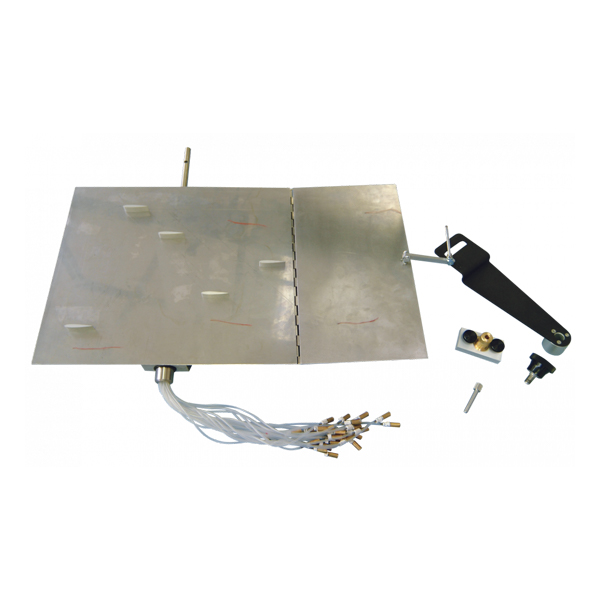
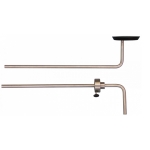
Quick Answer: The Boundary Layer module is a duct holding a flat plate that is rough on one side and smooth on the other. A flattened Pitot tube, positioned by a micrometer, reads the total pressure at different distances from the plate surface.
Last updated: October 2026
Key Features
Flat plate with one rough and one smooth face for two surface conditions
Flattened Pitot tube positioned by a micrometer
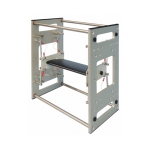
Removable duct liners change the pressure gradient in the direction of flow
Pitot tube connects to the manometer (ancillary) by a flexible tube with a quick-release coupling
Technical Specifications
Specification
Value
Test piece
Flat plate, rough one side, smooth the other
Probe
Flattened Pitot tube, micrometer positioned
Duct liners
Removable, to vary the pressure gradient
Connection
Flexible tube with quick-release coupling to manometer (ancillary)
About This Product
The module lets students build a velocity profile through the boundary layer by stepping the probe away from the plate and recording total pressure. Turning the plate between its rough and smooth faces, and fitting or removing the duct liners, shows how surface finish and pressure gradient change the way the layer develops.
Frequently Asked Questions
Is a manometer supplied with the Boundary Layer module?
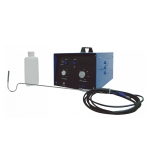
No. The manometer is an ancillary; the Pitot tube connects to it through a flexible tube with a quick-release coupling.
How is the pressure gradient changed?
Removable duct liners are added or taken out to change the pressure gradient in the direction of flow.