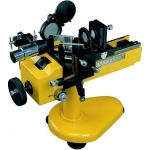
Quick Answer: The Pellat’s Apparatus demonstrates the hydrostatic paradox: interchangeable vessels of different shapes fit on a common pressure base and, filled to the same height, give the same pressure at the base.
Last updated: October 2026
Key Features
Interchangeable vessels of different shapes
Common base or pressure chamber shared by all vessels
Shows that pressure depends on liquid height and density, not vessel shape
For teacher demonstrations and student practicals
Technical Specifications
Specification
Value
Design
Interchangeable vessels with common pressure base arrangement
One vessel is fitted to the base, filled with water to a marked height and the pressure indication noted, then it is replaced by a vessel of another shape filled to the same height. The matching readings show that liquid pressure at a given depth depends on the height of the column and the density of the liquid, even though the vessels hold different amounts. Enquiries from Zimbabwe, Moldova, Cabo Verde, Montenegro and Armenia for the Pellat’s apparatus receive an export quotation.
Frequently Asked Questions
What does Pellat’s Apparatus prove?
That pressure at the base of a liquid depends on the height of the liquid column and its density, not on the shape or volume of the vessel.